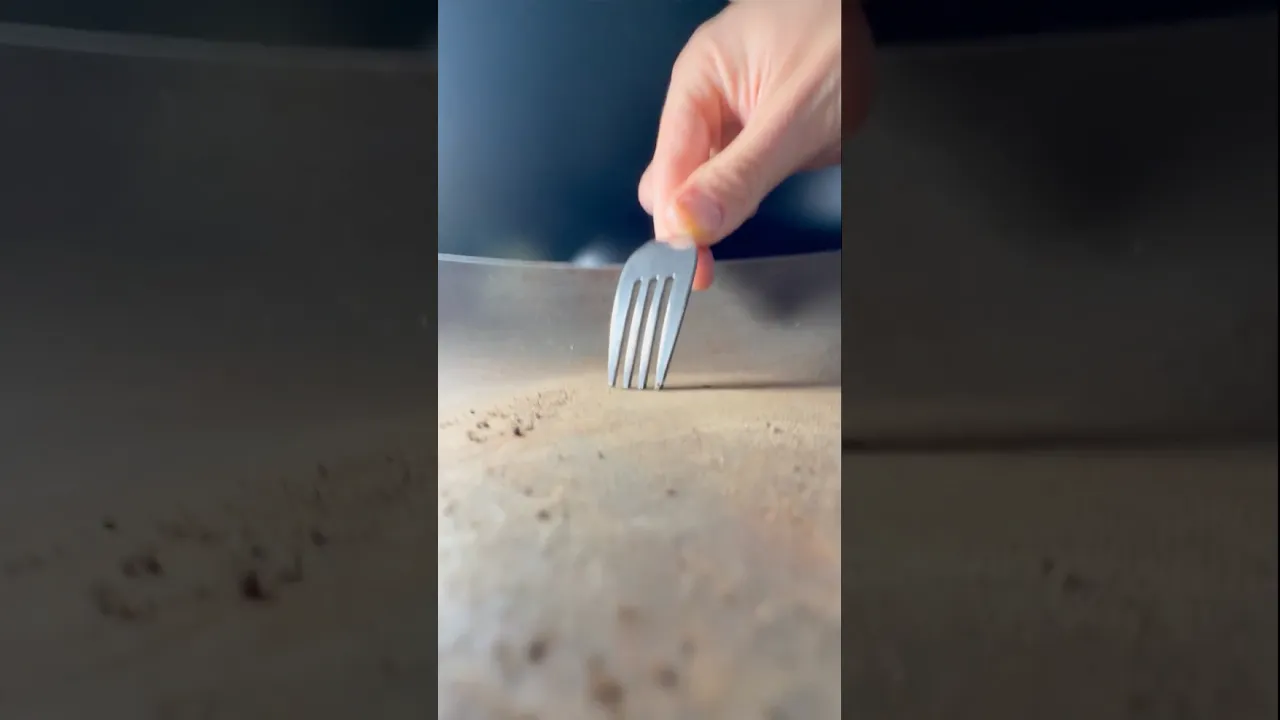

While the sleek allure of a non-stick pan promises culinary ease, the underlying Teflon coating is a sophisticated polymer engineered for low surface energy—a property that, when misapplied, can betray its own chemistry.
At temperatures exceeding the thermal stability threshold of polytetrafluoroethylene, the polymer undergoes pyrolytic degradation, liberating a plume of ultrafine fume particles rich in per‑ and poly‑fluoroalkyl substances (PFAS). These aerosols, though invisible, possess a pronounced toxicity profile; acute inhalation may precipitate polymer fume fever, while chronic low‑dose exposure contributes to systemic bio‑accumulation. Epidemiological data increasingly link persistent PFAS burdens to dysregulated lipid metabolism, attenuated vaccine response, and subtle endocrine perturbations. In response, international regulation bodies are revising permissible limits, compelling manufacturers to innovate toward genuinely heat-resistantbioaccumulate pathways. By integrating these evidence‑based practices, you can harness the functional benefits of non-stick technology while sidestepping its latent health hazards.
In essence, a nuanced appreciation of the material science behind your cookware translates into everyday choices that safeguard both flavor and health.

