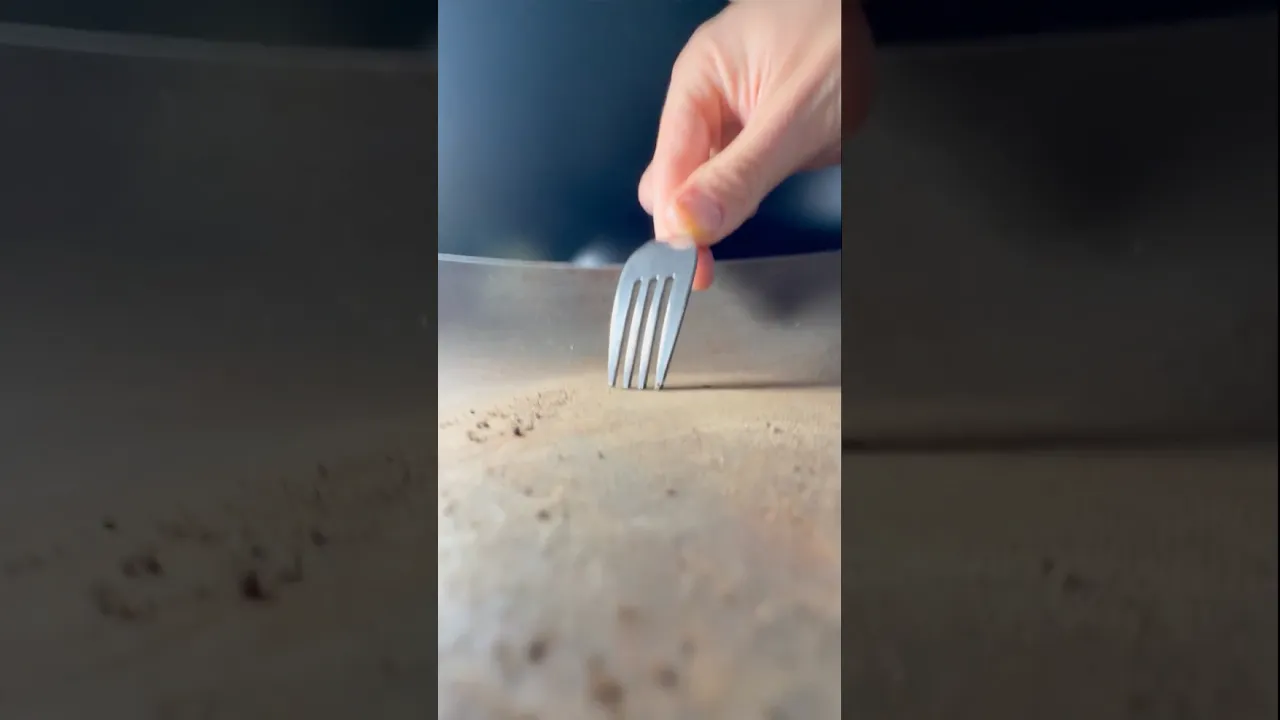

For many, the allure of a non-stick skillet lies in its effortless release of food, a promise that Teflon delivers with a glossy sheen. However, beneath that gleam resides a chemistry that can become problematic when the pan is pushed beyond its design limits.
Scientific investigations reveal that once the surface temperature surpasses the polymer’s decomposition point—roughly 570°F (300°C)—the polymer matrix fragments, emitting ultrafine fume particles composed largely of perfluoroalkyl substances. Inhalation of these aerosols can provoke polymer fume fever, a transient but unsettling respiratory syndrome. More insidious is the presence of PFAS, a class of fluorinated chemicals renowned for their environmental persistence and propensity to bioaccumulate. Chronic exposure to low‑level PFAS, even through inadvertent dietary intake from a deteriorating coating, has been associated with dyslipidemia, immunotoxicity, and endocrine disruption. Recognizing these hazards, regulatory agencies across the EU and North America are tightening regulation, mandating lower permissible PFAS concentrations in consumer goods. From a practical standpoint, opting for genuinely heat-resistant cookware—such as cast iron or ceramic alternatives—paired with disciplined cooking practices (no empty‑pan preheating, moderate heat, gentle utensils) dramatically curtails the release of harmful toxicity. Moreover, periodic visual inspection for scratches or peeling remains a simple yet effective safeguard.
Ultimately, informed choices about cookware material and usage temperature empower you to enjoy the convenience of non-stick technology without compromising long‑term health.

