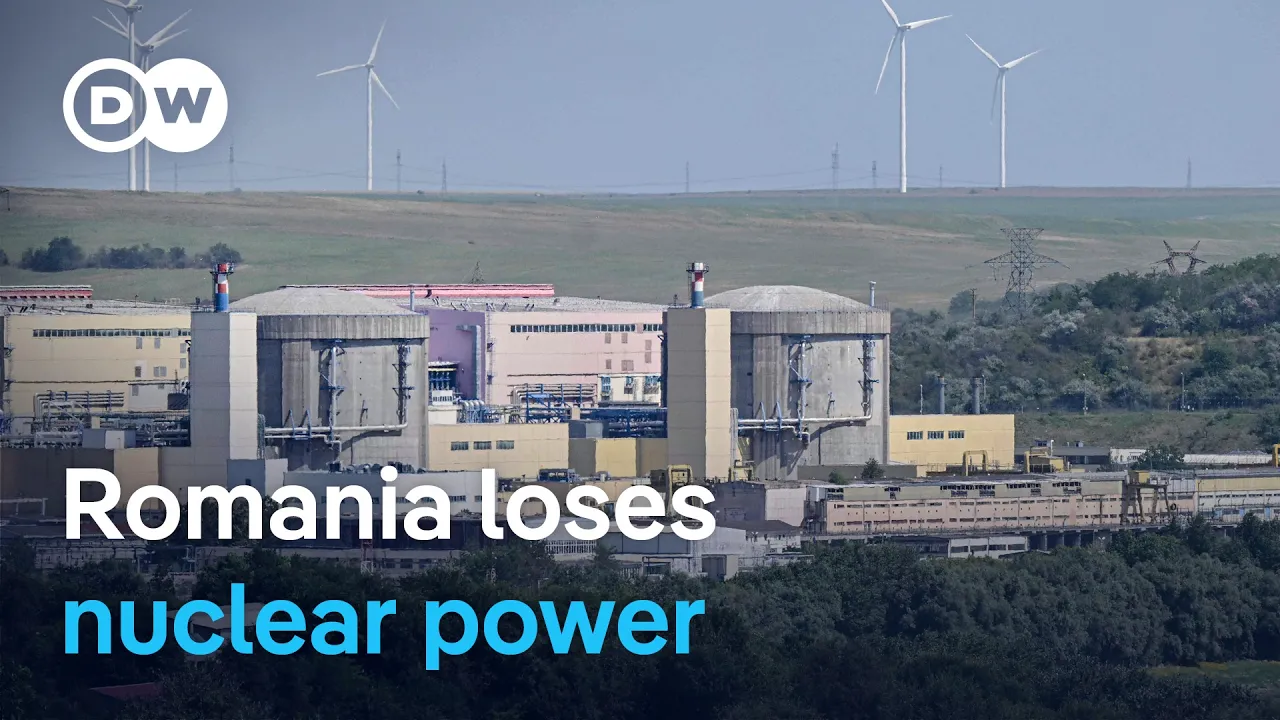

Imagine flipping your wall switch during an intense summer heatwave, only to find that your local power grid is struggling to keep up with your needs. That alarming scenario became a reality in Eastern Europe recently when an extreme drought reduced the Danube River to record-low levels, triggering a major power outage threat across Romania.
At the heart of this regional energy crisis is the Cernavoda nuclear facility, which produces a massive portion of Romania's daily electricity. Each atomic reactor inside the facility relies heavily on a continuous flow of freshwater as a vital coolant to prevent core components from overheating during heavy operation. However, as water levels along the Danube plunged to historical lows, station engineers had no choice but to initiate a forced shutdown of reactor operations to meet strict safety regulations. The timing of this pause could not be worse, as soaring summer temperatures drastically raise consumer demand for home cooling and refrigeration, placing extraordinary stress on the entire regional power grid. Nearby countries are experiencing matching headaches; neighboring Hungary is currently fighting to keep its own nuclear facilities operating at full total capacity amidst the same brutal heatwave. With total power production dropping across borders, energy systems become increasingly vulnerable to sudden supply shortfalls precisely when households need power the most.
This urgent challenge proves that our traditional energy systems are struggling to cope with a warming regional climate. Unless grid operators accelerate modern upgrades, extreme summer weather will continue threatening energy reliability every year.