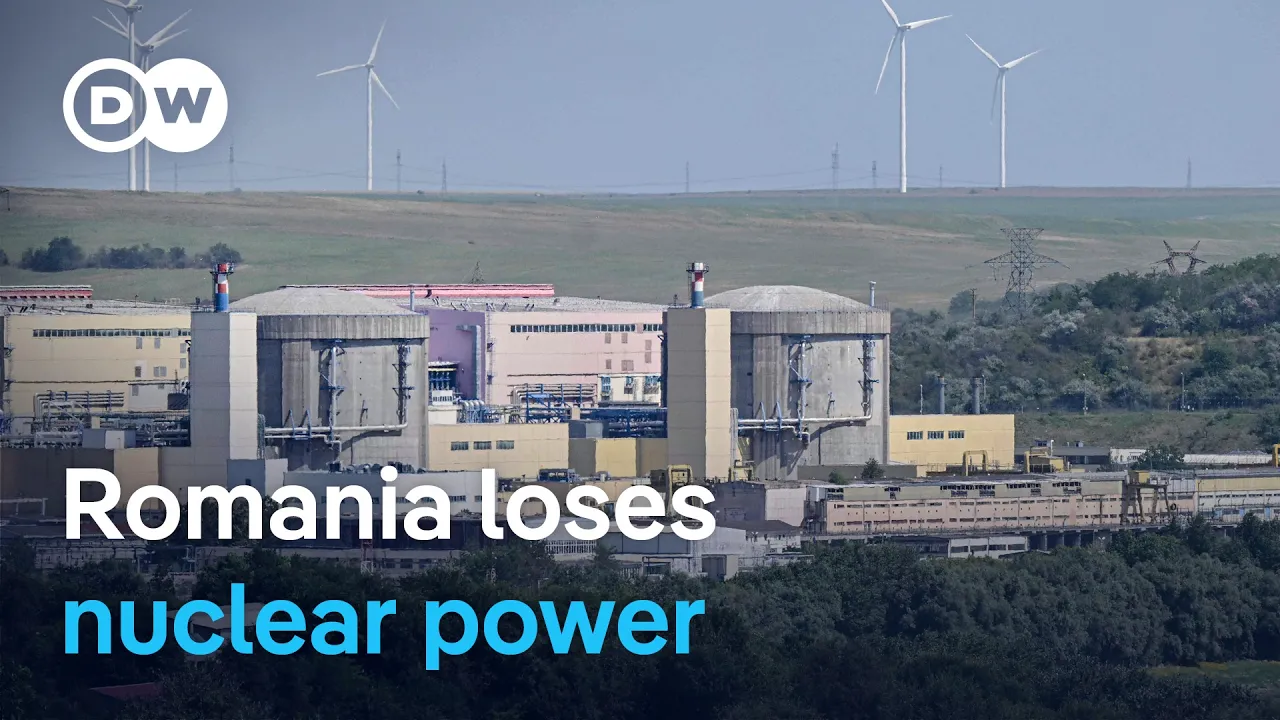

You might assume that nuclear power plants are impervious to the weather, but severe drought conditions along the Danube River have exposed a startling truth. Heatwaves now directly imperil base-load power supplies, forcing immediate operational adjustments across Southeastern Europe.
When water levels in the Danube dropped to historic baselines, Romanian energy officials had to precipitate a partial shutdown at the Cernavoda nuclear facility. Fresh river water is an indispensable element for cooling thermal discharge from reactors, and elevated intake temperatures drastically lower operational efficiency while breaching environmental safety thresholds. This cooling bottleneck did not merely disrupt local generation; it served to exacerbate grid instability across national borders, as neighboring Hungary faced identical cooling limitations at its Paks nuclear plant. The situation highlights the rapid physical obsolescence of twentieth-century energy designs built for an era of predictable seasonal river flows. Unchecked water loss and rising river temperatures directly jeopardize the reliability of low-carbon electricity, revealing a systemic flaw in how European utilities plan for weather extremes. Relying on emergency purchases to alleviate sudden regional deficits is no longer a viable long-term strategy for national grid stability.
This summer's forced outages are not an isolated anomaly but a tangible manifestation of shifting hydrological reality. Energy security now depends entirely on engineering plants capable of enduring prolonged thermal stress.