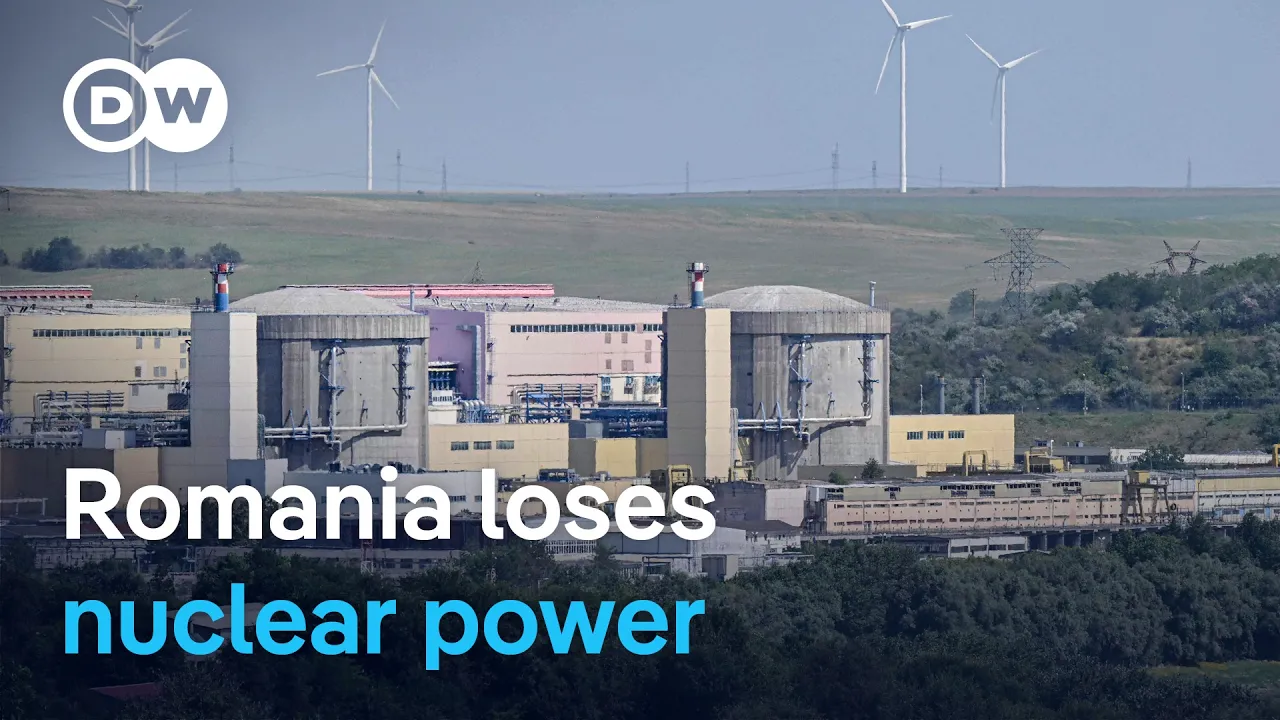

When you turn on your air conditioner on a sweltering July afternoon, you rarely consider the river miles away powering your home. Yet, an unprecedented drop in the Danube's water levels recently exposed how fragile our power grid really is when environmental pressures compound.
Romania was forced to curtail nuclear power production at its Cernavoda plant after record heat severely reduced river discharge. Nuclear infrastructure operates on precise thermodynamic principles, requiring huge volumes of cool water to absorb excess waste heat. A precipitous decline in water volume not only limits intake capacity but also raises ambient water temperatures beyond safe working limits, causing severe power disruption. This operational halt placed immense strain on regional power distribution networks precisely when heatwaves drove public energy consumption to seasonal highs. The heavy regional dependency on river-cooled reactors left grid operators without an immediate contingency plan as neighboring Hungary simultaneously struggled with thermal limits at its own facilities. The crisis clearly demonstrates the growing structural vulnerability of energy grids reliant on historical river flow models that no longer match reality.
As extreme weather events become frequent, energy planners must adapt baseline infrastructure to modern climate metrics. Relying on outdated environmental assumptions puts power stability at risk when temperatures spike.