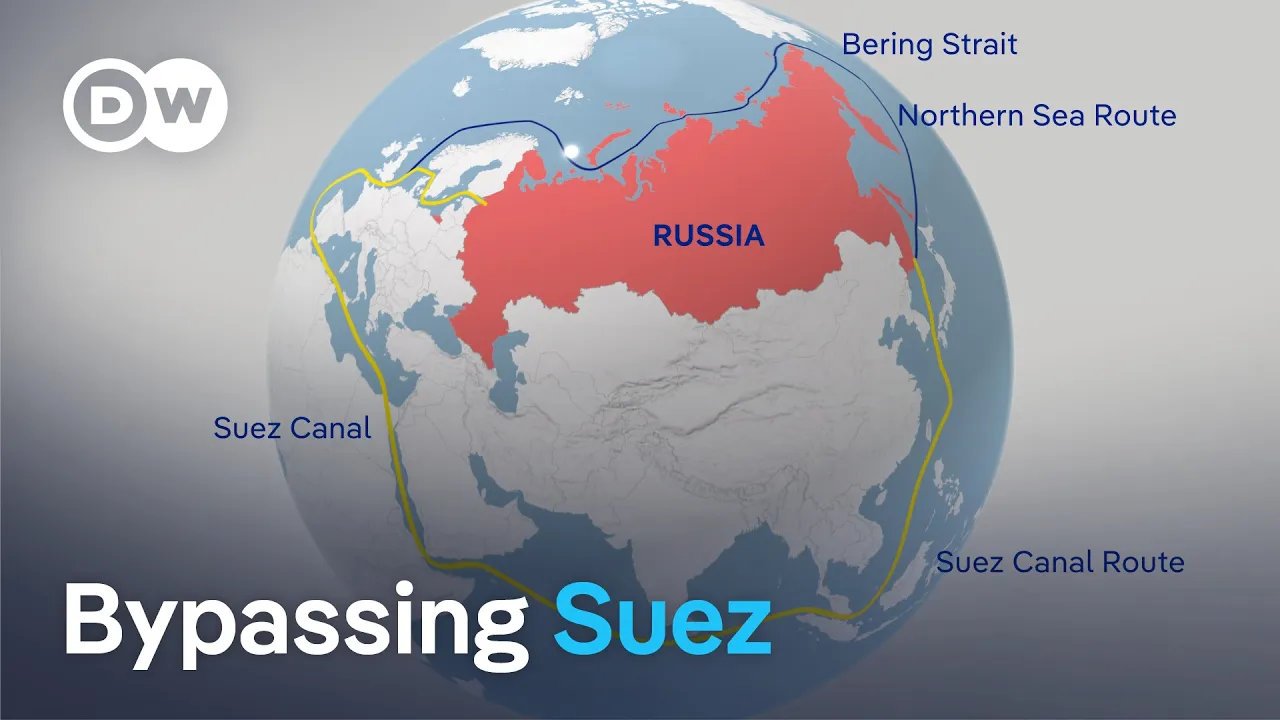

You might soon see products on store shelves that traveled over the top of the world. A South Korean container ship is navigating the icy Arctic waters via the Northern Sea Route, exploring whether this northern path can offer a reliable maritime alternative to traditional shipping lanes.
Security crises in the Red Sea have forced global shipping operators to reconsider standard trade paths, as drone and missile attacks continually imperil commercial transport. Rerouting cargo around Africa's Cape of Good Hope adds weeks to transit times, burning massive amounts of fuel and driving up consumer costs. The Arctic alternative drastically reduces distance, but it introduces severe operational hurdles. The extreme seasonality of polar ice limits sailing to a brief summer timeframe, outside of which frozen seas prevent safe passage. Furthermore, Russia maintains firm administrative and operational control over these waters, using its powerful polar fleet to monopolize escort services. Any cargo vessel navigating this route requires an official Russian icebreaker escort, alongside complex regulatory clearances and expensive transit permits. These steep administrative costs can become financially prohibitive for shipping lines seeking quick profits. Additionally, the limited depth of northern channels constrains vessel capacity, forcing companies to rely on smaller ships rather than massive container vessels. This operational vulnerability highlights the complex trade-off between physical distance and geopolitical risk during international transit. Executing this polar journey represents a highly strategic maneuver for East Asian exporters looking to diversify their logistics options.
While the Northern Sea Route offers unprecedented time savings, navigating political demands and unpredictable ice conditions ensures it remains a niche option for the foreseeable future.

