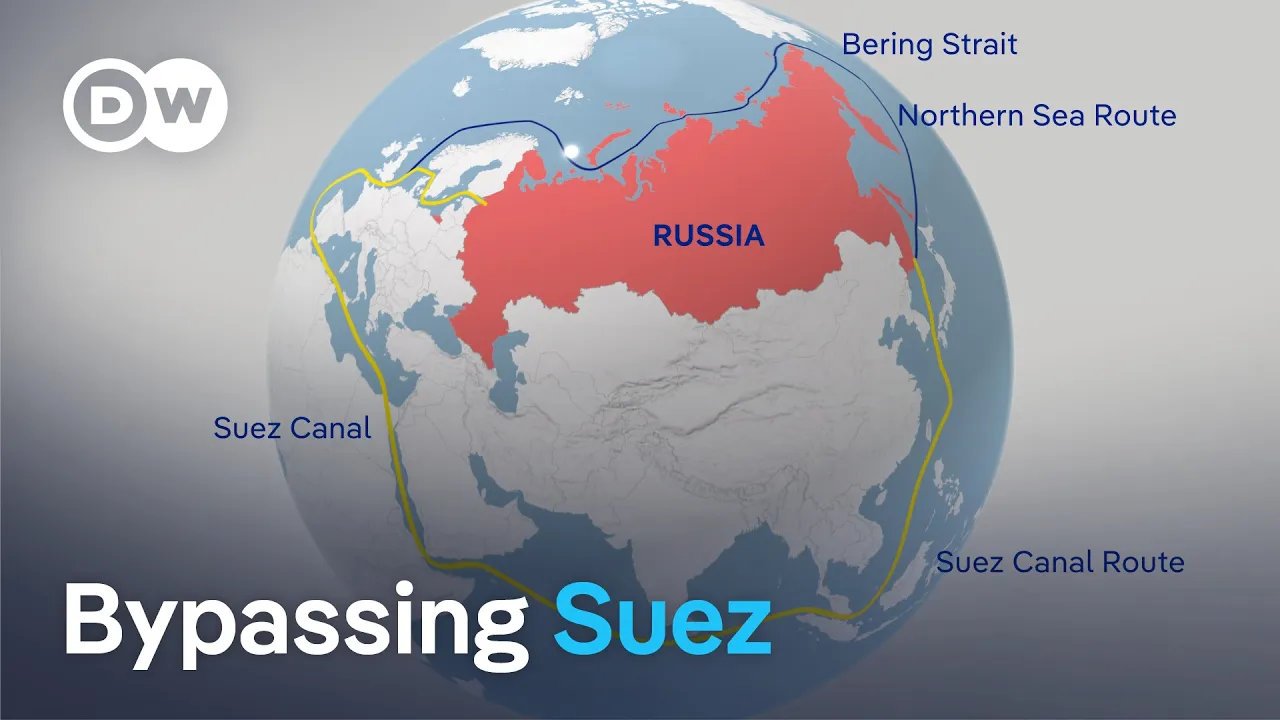

Imagine cargo logistics where shipping lanes cut directly through the frozen wilderness of the high Arctic. As a South Korean container vessel undertakes a pioneering voyage along the Northern Sea Route, global supply chain managers are watching to see if this icy path can genuinely bypass established commercial choke points.
For months, geopolitical turmoil in the Middle East has exposed the fragility of global shipping, turning key maritime passages into high-risk zones. To dodge hostile threats without committing to the costly, time-consuming detour around the African continent, maritime operators face a complex logistical conundrum. The Arctic option offers an enticing physical shortcut, yet it forces shippers to navigate a daunting archipelago of administrative, physical, and geopolitical barriers. Russian territorial control over the route allows Moscow to assert strict regulatory hegemony, dictating permit protocols, levying steep fees, and forcing reliance on its state-owned icebreaker fleet. Shippers must determine whether they can surmount these heavy regulatory burdens without succumbing to political chicanery or unilateral tariff hikes. Beyond politics, environmental conditions remain notoriously precarious, as fluctuating ice coverage compresses the operational season into a brief summer window. These harsh Arctic conditions impose severe structural restrictions, making it impossible to deploy massive container vessels; instead, operators must rely on smaller ships, frustrating efforts to expedite high-volume cargo traffic. Thus, balancing political friction against seasonal ice conditions represents a critical strategic imperative for modern trade planners. Avoiding a costly supply chain bottleneck requires meticulous planning and a clear-eyed assessment of northern political risks, especially when navigating under foreign regulatory sanction regimes.
Ultimately, while polar shortcuts dramatically shorten geographical distance, navigating complex foreign dependencies ensures the Arctic route will remain a specialized seasonal alternative rather than an immediate replacement for traditional ocean corridors.

