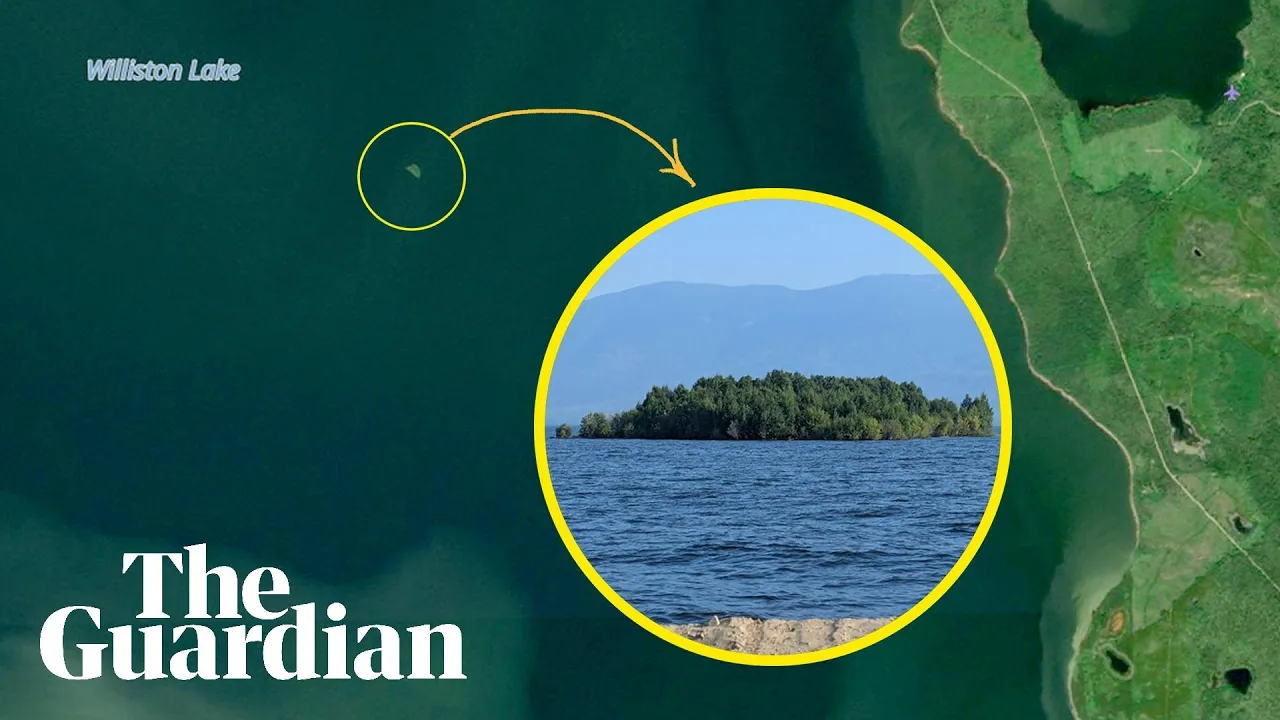

A video circulating online captured a seemingly spontaneous floating landform, dotted with saplings, surfacing in Williston Lake, Canada. Viewers were startled when the same formation vanished, only to reappear weeks later, prompting speculation about its origin.
Subsequent analysis of high‑definition satellite imagery corroborated the visual claims, revealing a pattern tied to the lake’s fluctuating hydrology. Seasonal inflows raised the waterline, dislodging a conglomerate of aged debris—principally driftwood entrenched along the shoreline. This timber, already colonised by resilient vegetation, broke free and assumed a buoyant stance, masquerading as an autonomous island. When the lake’s level receded, the mass settled, only to be resurrected by the next rise. The recurring phenomenon illustrates how subtle shifts in water dynamics can mobilise terrestrial substrates, a process researchers are keen to investigate for broader ecological insights.
Local authorities have deemed the occurrence harmless, noting no interference with navigation or wildlife habitats. As the lake’s seasonal rhythm persists, the transient island will likely disintegrate or submerge, restoring the water’s familiar visage.

