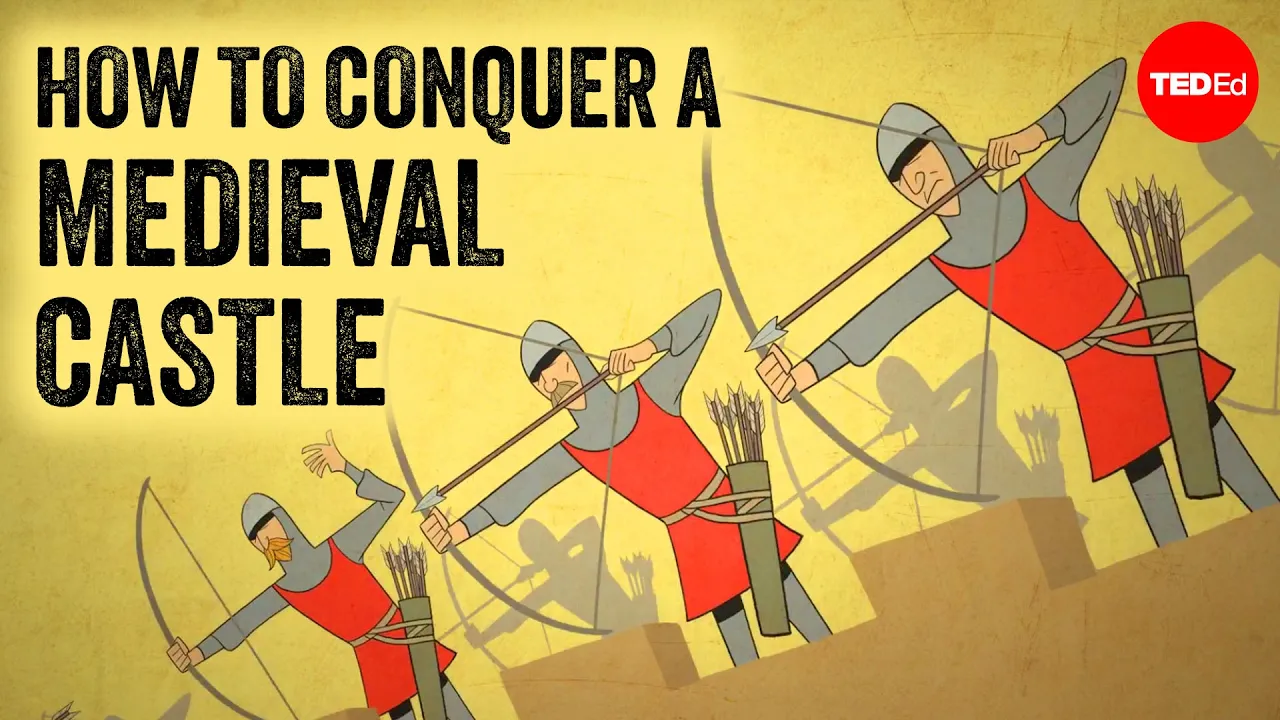

King Robert the Bruce's siege of Carlisle Castle in 1315 was a prime example of the fortitude of medieval European castles. The Scots' attempts to breach the castle walls were thwarted by the English, who had erected wooden scaffolds to heighten the walls and make them more difficult to climb. The Scots' subsequent retreat after 11 days highlighted the castle's ability to withstand enemy onslaughts.
Castles were not merely passive defenses; they were multifaceted structures that served as symbols of power, private residences, and hubs of governance. Their designs evolved over time, influenced by technological advancements and shifting power dynamics. The 9th century CE saw the emergence of European castles as we know them today, with the Carolingian Empire's decline leading to the construction of castles by nobles to solidify their regional power.
The motte and bailey design, featuring a central tower built atop a steep mound with a walled yard at the base, was a hallmark of early castles. However, as castles became centers of social, cultural, military, and political life, their designs grew more complex and varied. By the 12th century, many wooden motte and baileys had been rebuilt with stone, increasing their defense and longevity. Subsequent castles built in stone from the start employed curtain walls and gatehouses to enclose the castle yard, while their walls and towers were often coated in a layer of protective limewash.
Visual beauty played a significant role in projecting power, with castles like Castle Caernarfon in northern Wales showcasing bands of different colored stone. Crusader armies building castles in the Middle East often incorporated elements of intricate Islamic and Byzantine architecture. However, as European castles became more widespread, so did technologies to defeat them. Fire, battering rams, siege towers, and trebuchets all posed significant threats to castle defenses. The concentric design, featuring numerous rings of defensive walls around a central tower, emerged as a response to these challenges, providing multiple layers of siege security.