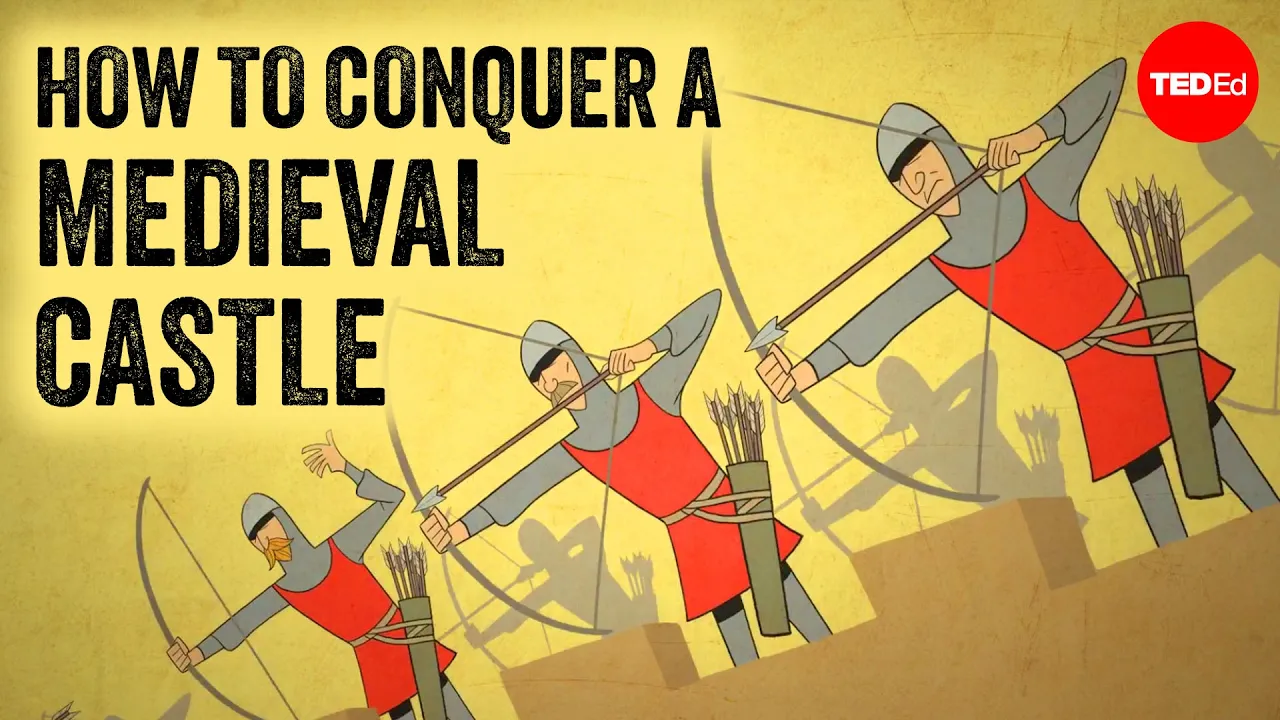

The siege of Carlisle Castle in 1315 by King Robert the Bruce's forces exemplified the formidable defenses of medieval European castles. The Scots' attempts to breach the castle walls were thwarted by the English, who had employed a range of tactics to fortify their stronghold, including the erection of wooden scaffolds to heighten the walls and the use of trebuchets to launch projectiles at the attackers. The Scots' subsequent retreat after 11 days highlighted the castle's ability to withstand even the most determined enemy onslaughts.
Castles were not merely static fortifications; they were dynamic structures that served as hubs of governance, private residences, and symbols of power. Their designs evolved over time, influenced by technological advancements and shifting power dynamics. The 9th century CE saw the emergence of European castles as we know them today, with the Carolingian Empire's decline leading to the construction of castles by nobles to solidify their regional power.
The concentric design, featuring numerous rings of defensive walls around a central tower, emerged as a response to the challenges posed by enemy armies. This design provided multiple layers of siege security, making it difficult for attackers to breach the castle walls. The use of limewash to coat the walls and towers of castles also played a significant role in their defense, as it helped to protect them from the elements and made it more difficult for attackers to scale the walls.